Tool design & manufacturing

Weld tooling, designed around your joint.

A laser weld is only as good as the fixture that holds the part. We design the tool around your joint, build it in our own shop, prove it on real welds in our lab, and ship it ready to run on your machine.

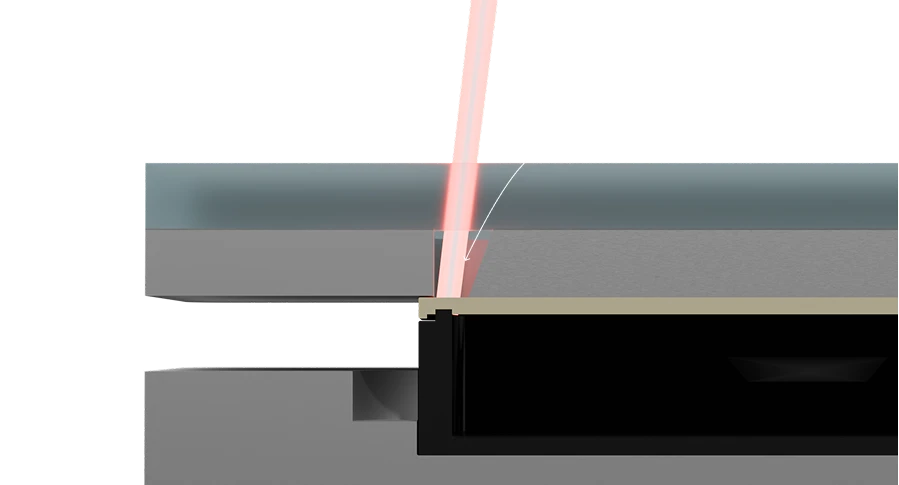
Hybrid clamp weld tool, designed around the joint
Cross-section render of a hybrid clamp tool: a laser beam passes through the glass clamp plate and the transparent part to the weld joint, with the part held in its nest below

Built for the weld

Clamping and laser access designed around the joint.

Proven in the lab

Every tool is tested on real welds before it ships.

Made in-house

Machined or 3D printed in metal and plastic, in our own shop.

Repeatable

Same part position and pressure, every cycle.

What we build

From first trial to full production Tooling for every stage of the weld

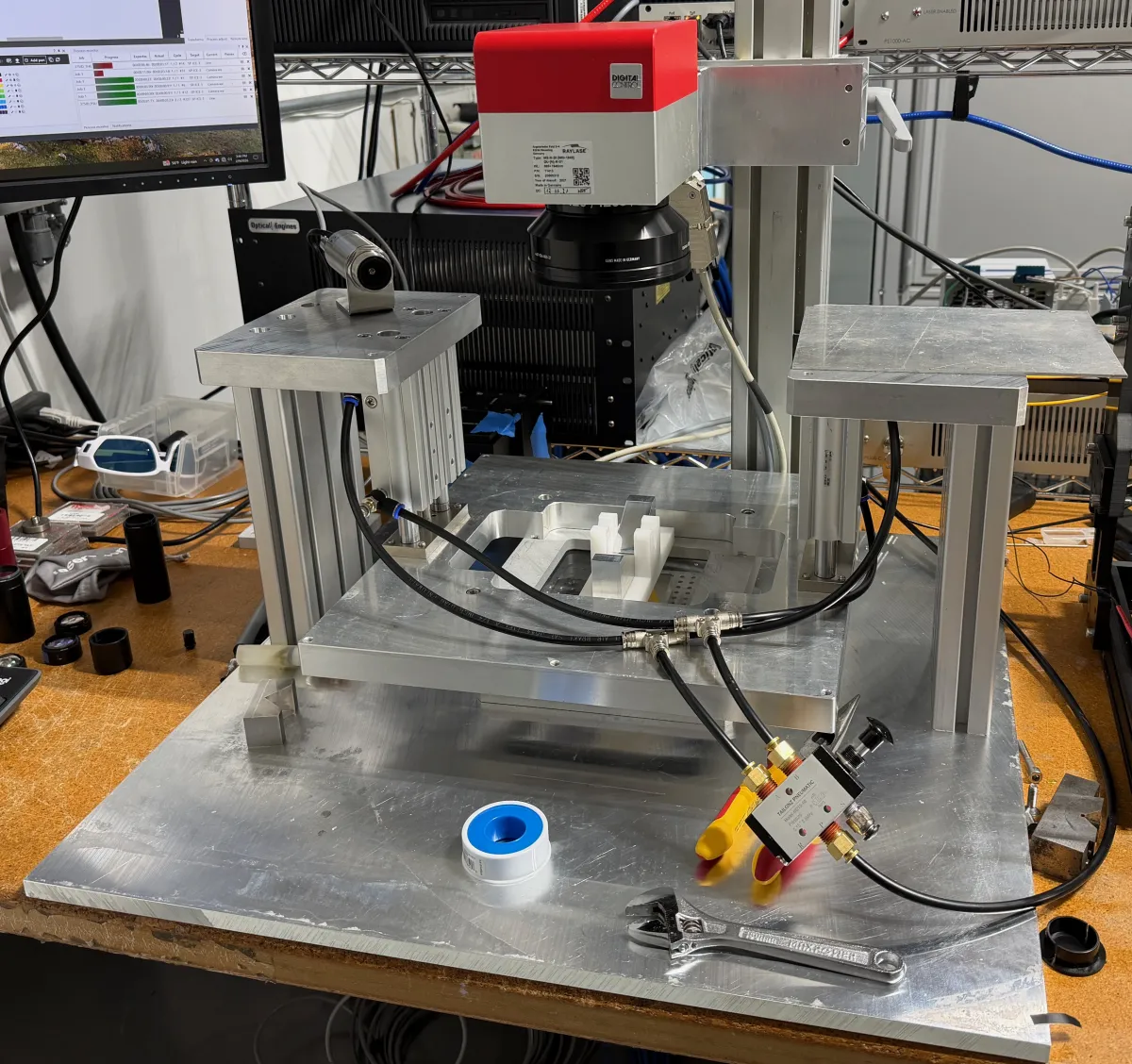
A pneumatic weld fixture under a laser scan head in the Dax Research lab

Prototype tooling

Fast, low-cost fixtures for weld trials and sample runs in our lab, so you can prove the weld before you spend on production tooling.

  • Printed or machined nests
  • Built around your trial parts
  • Can be designed to carry over to production
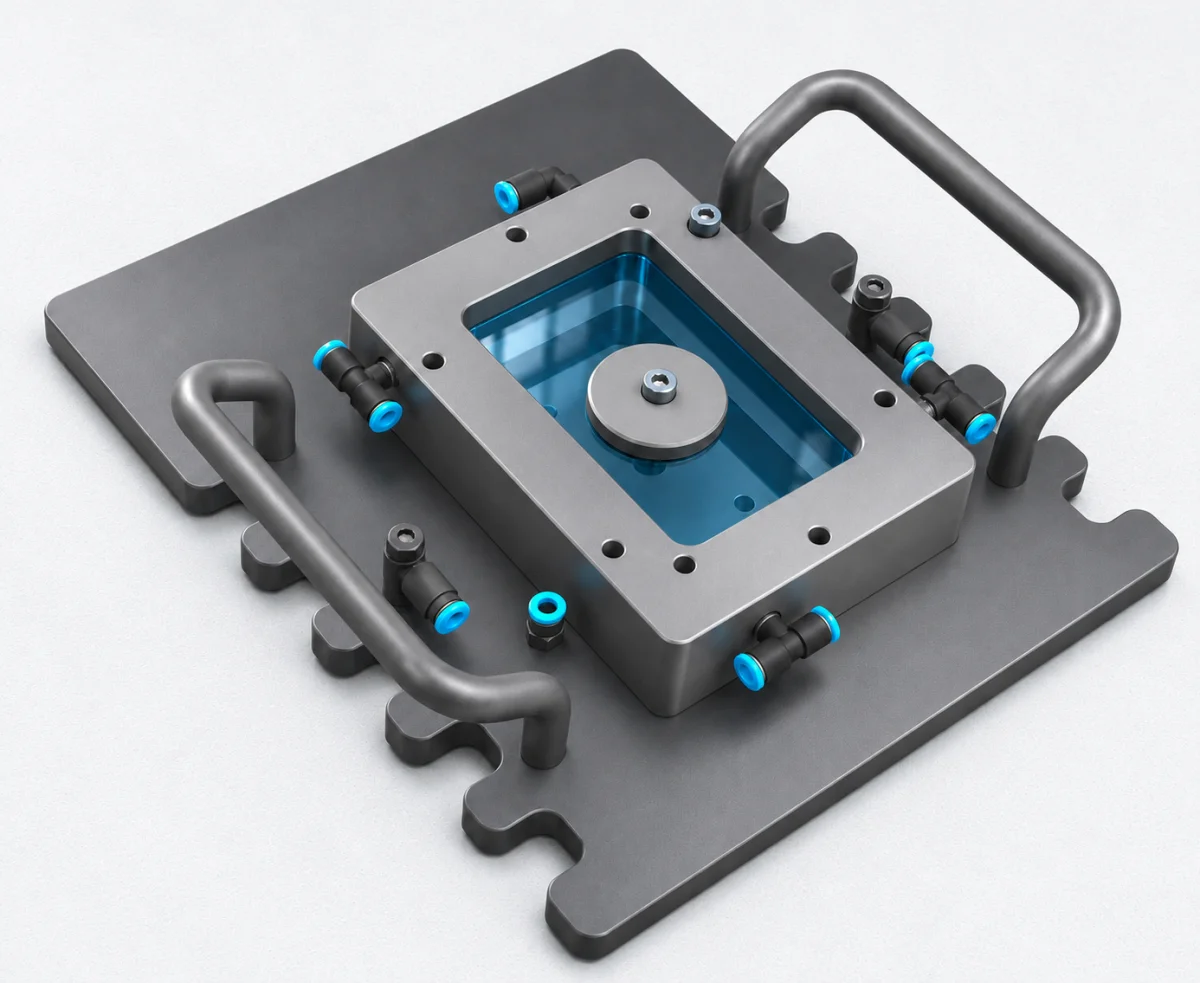
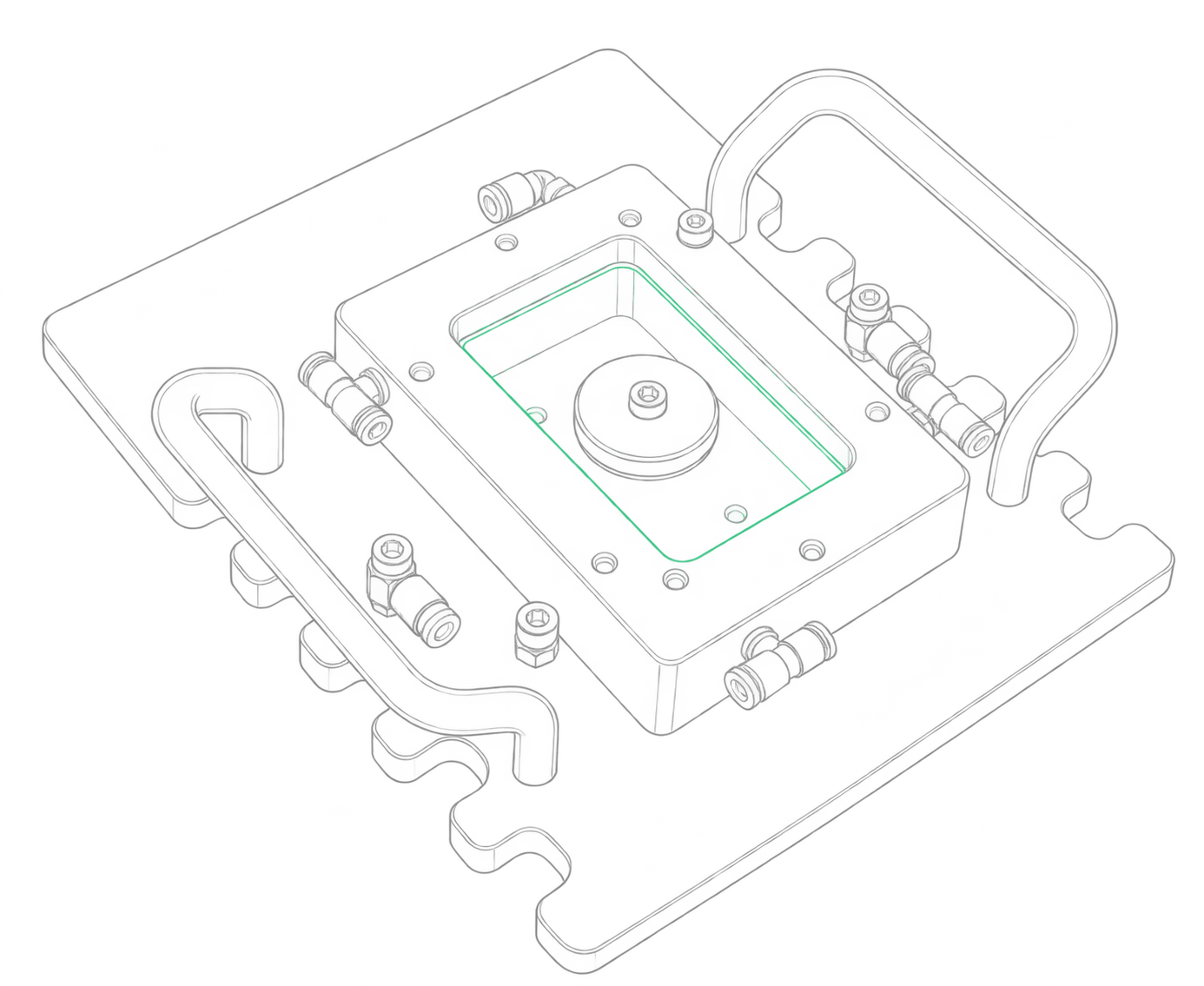
Render of a production laser welding tool: a steel clamp frame with a glass window over the part, pneumatic fittings and two carry handles on a quick-change base plate

Production tooling

Durable fixtures built for cycle time and repeatability, for our machines, for our contract runs, or for the welding machine you already own.

  • Pneumatic or manual clamping
  • Glass or open-frame hold-downs
  • Quick-change plates, spares and duplicates

How we make them

Machined, printed, or both The right method for each part of the tool

We machine tools in our own shop and 3D print them in metal and plastic. Many tools use all three, such as a machined base with printed nests.

CNC machined

Aluminium and steel tool bodies, nests and clamp plates, machined in our own shop for production wear and tight part location.

About our machine shop

3D printed metal

Metal printed nests and inserts for shapes that are hard to machine, or for a durable tool in less time.

About metal 3D printing

3D printed plastic

Printed plastic nests for fast, low-cost prototype tools that can be reprinted when the part design changes.

How it works

How a tool is built Start where you need to

Tooling is designed alongside the weld process, so the fixture and the recipe are proven together. Use as many of these steps as you need. Prototype tools don’t lock you into buying production tools from us.

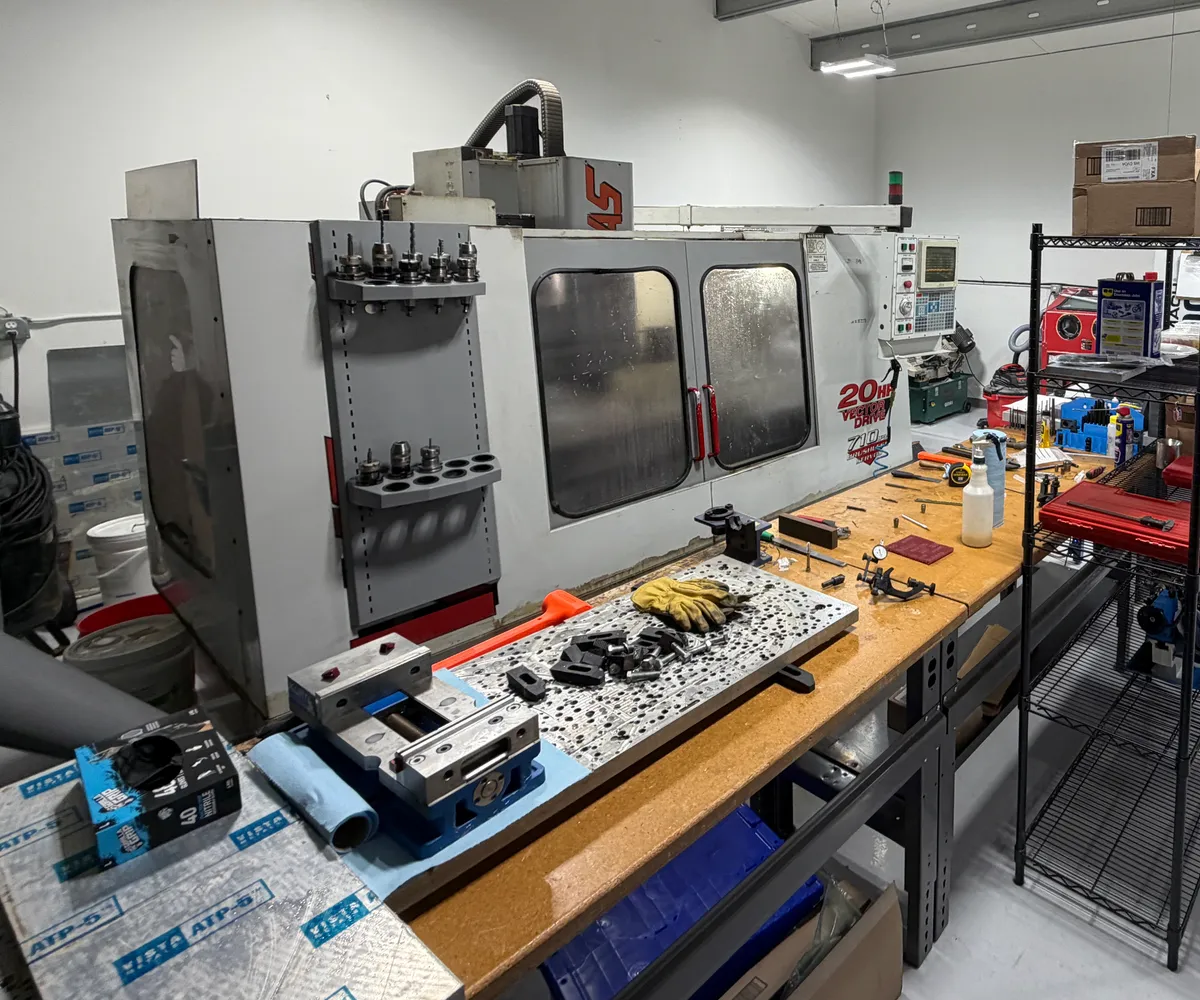
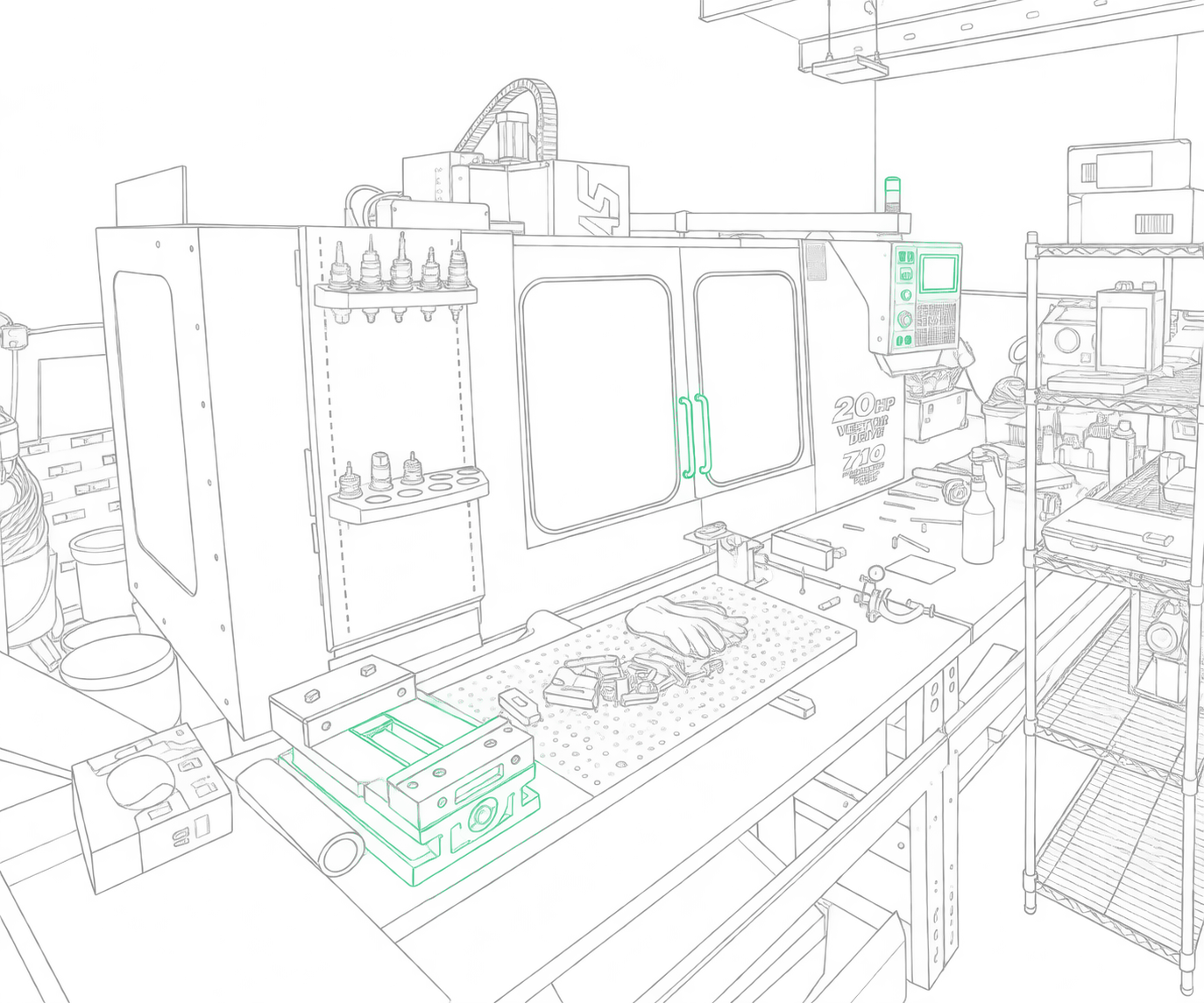
CNC mill and workbenches in the Dax Research machine shop, where weld fixtures are built
Our machine shop, Albany, Oregon
Request a feasibility review
  1. Feasibility review

    Send your CAD and material details. We check the joint and the weld process, and tell you what the tooling needs to do. Zero cost, no obligation.

    Request a feasibility review
  2. Tool concept

    We design the nest, the clamping and the laser access around your joint, and review the concept with you before anything is made.

  3. Prototype tool and trials

    A first tool is made quickly and used for weld trials in our lab. If you plan to go to production, we can design it to carry over to your production machine.

    About lab & consulting
  4. Production tooling, if you need it

    You choose what happens next. We build the production tool in our shop and prove it on the weld, or we hand off the design and drawings to your own toolmaker.

    About our machine shop
  5. Run or ship

    The tool goes into our contract welding runs, or ships to your line with drawings and setup notes.

    LPW contract manufacturing

Capability

What goes into a tool

Our engineers design the tooling and our machinists build it, under the same roof as the lab that develops the weld.

Location
Albany, Oregon
Design and build
In-house, in our own machine shop
Build methods
CNC machined, metal or plastic 3D printed
Machines
Our lab machines and yours
Clamping
Pneumatic and manual
Hold-downs
Glass plates and open-frame clamps
Lead time
Quoted per tool
Deliverables
Tool, or design files and drawings
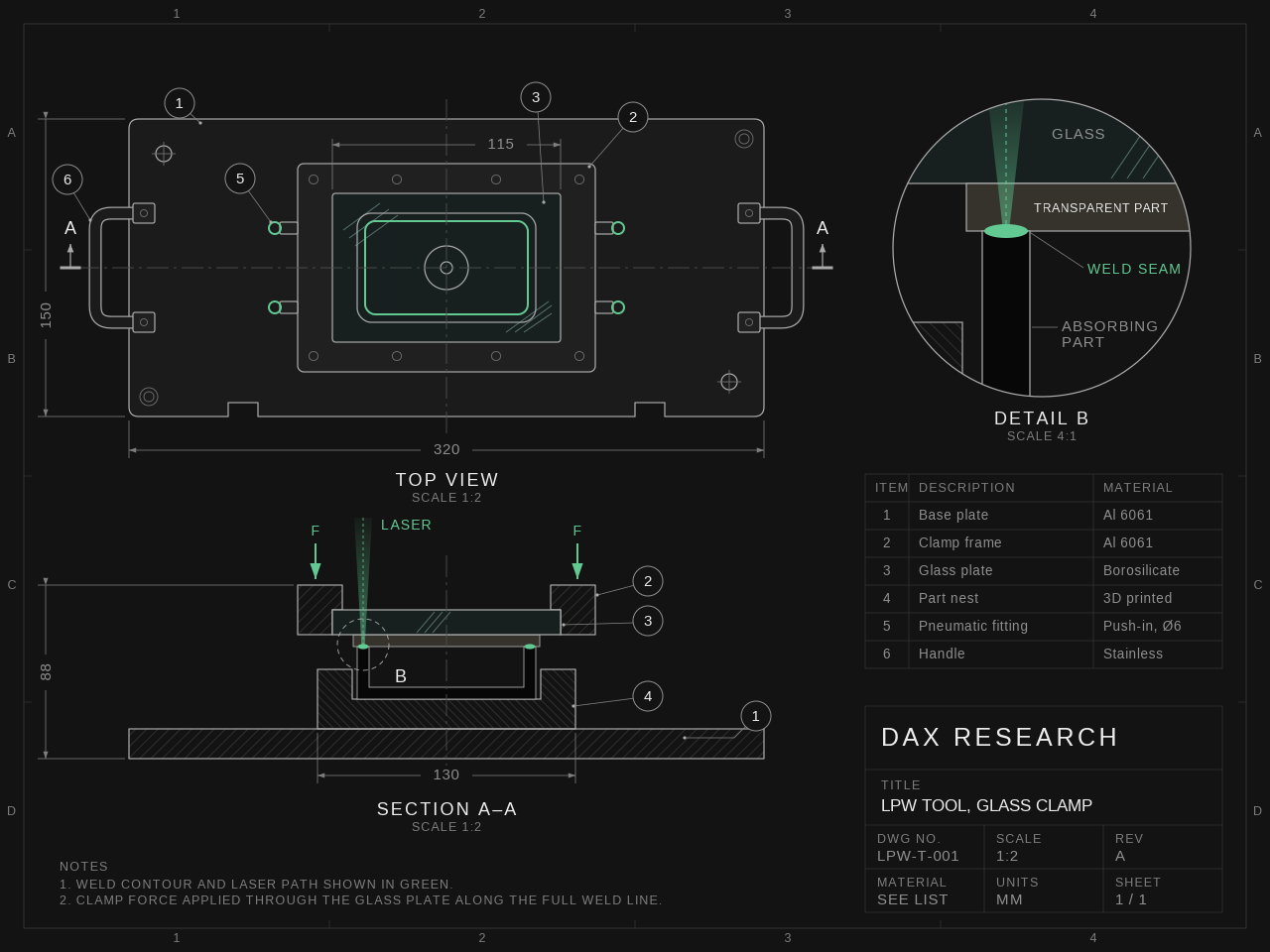
Engineering drawing of a glass clamp weld tool: top view, section through the clamp, detail of the laser passing through the glass to the weld seam, and a parts list
Anatomy of a glass clamp tool

FAQ

Common questions

Don’t see yours? Ask it when you request a feasibility review.

If you build our prototype tool, do we have to buy the production tool from you?

No. We can build the production tool, or hand off the design and drawings so your own toolmaker can build it. You can also stop after the trials and take the weld results with you.

Can you build tooling for a machine you didn’t supply?

Yes. Send us the machine make and model, or the mounting interface, and we design the tool to fit it. We also build tooling for EVOSYS and EvoWeld machines and for the machines in our lab.

Can the tool we use for trials also be used in production?

Often, yes. If you tell us at the start that you plan to go to production, we design the prototype tool to carry over to your production machine, so you don’t have to redesign it.

Is the tool machined or 3D printed?

It depends on what the tool has to do. Printed plastic is fastest and costs least for early trials. Printed metal suits complex shapes and longer runs. Machined aluminium or steel is the usual choice for production wear. Many tools combine all three.

What do you need from us to start?

A 3D CAD model of the parts (STEP is best), the material and grade of each part, which part the laser goes through, and the machine and volumes you expect to run. Drawings and sample parts help if you have them.

Do we get the design files?

Yes. With a production hand-off, you get the tool design files and drawings so your team or your toolmaker can build, repair or duplicate the tool.

How long does a tool take, and what does it cost?

It depends on the size of the part, the clamping and the build method, so we quote each tool after the feasibility review. A printed prototype tool is usually much faster than a machined production tool.

Glass plate or open-frame clamping: which do we need?

A glass plate pushes down on the full weld line while the laser passes through it, which suits flat or nearly flat joints. An open-frame clamp holds the parts with a metal frame that leaves the weld path open, which suits 3D joints. We recommend one in the tool concept.

Can you modify or duplicate a tool we already have?

Yes. We can rework an existing fixture for a design change, build spares, or duplicate a tool for a second line.

Send us your part. We’ll build the tool that welds it.